
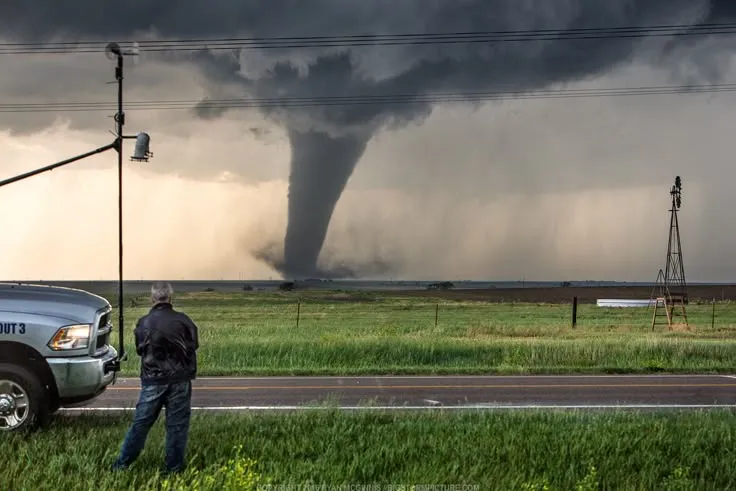
Some trips are easy to measure. You visit the landmark, take the photograph, check it off the list, and move to the next stop. Severe-weather travel does not work that way. Someone considering tornado chasing 2027 Wichita Kansas is entering an experience where the most interesting moments cannot be scheduled in advance. Weather determines what happens, where the day leads, and which atmospheric features become memorable.
That makes curiosity especially valuable. Instead of arriving with a checklist centered on seeing one specific event, travelers can pay attention to how the environment changes throughout the day. The result is a richer understanding of both storms and the landscapes in which they develop.
Notice What Happens Before the Storm
The hours before thunderstorms form can reveal as much about the atmosphere as the storms themselves. Morning skies may appear calm even when ingredients for severe weather are gradually coming together. As the day progresses, humidity can become more noticeable, winds may change, and small clouds can begin growing vertically. These developments provide clues that the atmosphere is becoming increasingly active.
Watching the transition makes the eventual storm feel less like an isolated spectacle. Travelers get to observe a process unfolding rather than simply arriving after the most dramatic weather has already developed.
Geography Becomes Part of the Lesson
Storm chasing naturally introduces visitors to the geography of the central United States. The Plains contain vast agricultural areas, small communities, open highways, and long horizons that differ considerably from crowded urban environments. Terrain influences what travelers can see. A broad, unobstructed horizon may provide a clear view of a developing thunderstorm from miles away, while road placement affects where observers can reposition.
Travelers therefore begin noticing the landscape differently. Roads, towns, fields, and visibility are no longer just background scenery; they become relevant parts of understanding the chase.
Ask Why a Target Was Chosen
One of the best ways to get more from a chase is to remain interested in the reasoning behind daily decisions. A destination may seem ordinary when the group first arrives, especially if the sky is still relatively quiet.
There is usually a weather-based reason for selecting a particular area. Atmospheric moisture, instability, winds at different heights, boundaries, and expected storm development can all influence the choice.
Asking questions about these factors helps connect forecast information with what eventually appears in the sky.
Learn to Appreciate Different Outcomes
Travelers researching tornado tours 2027 Wichita Kansas may naturally be interested in tornadoes. However, severe-weather days can develop in many different ways, and tornado occurrence cannot be guaranteed.
Broadening the definition of an interesting chase allows visitors to appreciate features such as:
- Developing thunderstorm towers
- Organized supercell structures
- Frequent lightning
- Dramatic precipitation shafts
- Changing cloud bases
- Contrasting light around storms
- Expansive views across the Plains
Each feature reveals something different about the atmosphere. A day without a tornado can still provide remarkable weather and useful learning opportunities.
Keep a Simple Chase Journal
Photographs are an obvious way to document a trip, but written notes can capture details that images cannot. Travelers might record the morning forecast, the general target region, noticeable changes during the afternoon, and the weather they eventually encountered. There is no need to create a technical meteorological report. A few observations are enough.
Looking back at these notes later can reveal how differently each day unfolded. They also help preserve small memories, such as an unexpected change in the sky or a conversation during a long drive.
Let Photography Tell a Wider Story
Pointing a camera only at the most dramatic cloud can leave much of the journey undocumented. Storm-chasing photography becomes more interesting when it includes context. A distant storm over farmland can show scale. An empty road beneath a changing sky can communicate the sense of travel. Late sunlight after rainfall can capture the atmosphere of a day even after active chasing has ended.
Mixing wide landscapes with closer weather details creates a more complete visual record than pursuing one perfect storm photograph.
Curiosity Makes Waiting Easier
Waiting is unavoidable when following developing weather. Storms may form later than expected, or the group may need to remain in one location while conditions evolve. For someone focused exclusively on action, those periods can feel slow. A curious traveler has more to notice. Cloud growth, wind shifts, landscape features, forecast updates, and discussions about possible storm development can all become interesting.
This mindset also makes unpredictable weather less frustrating. The purpose becomes observing what the atmosphere actually does rather than demanding a particular result from it.
Conclusion
A storm-chasing journey becomes far more rewarding when travelers replace a rigid checklist with curiosity. Watching early cloud development, understanding the landscape, asking about forecast decisions, documenting the day, and appreciating different storm outcomes all add depth to the experience.
Storm Chasing Adventure Tours gives weather enthusiasts the opportunity to explore that broader side of severe-weather travel, where learning to observe the atmosphere can be just as memorable as the dramatic moments themselves.
